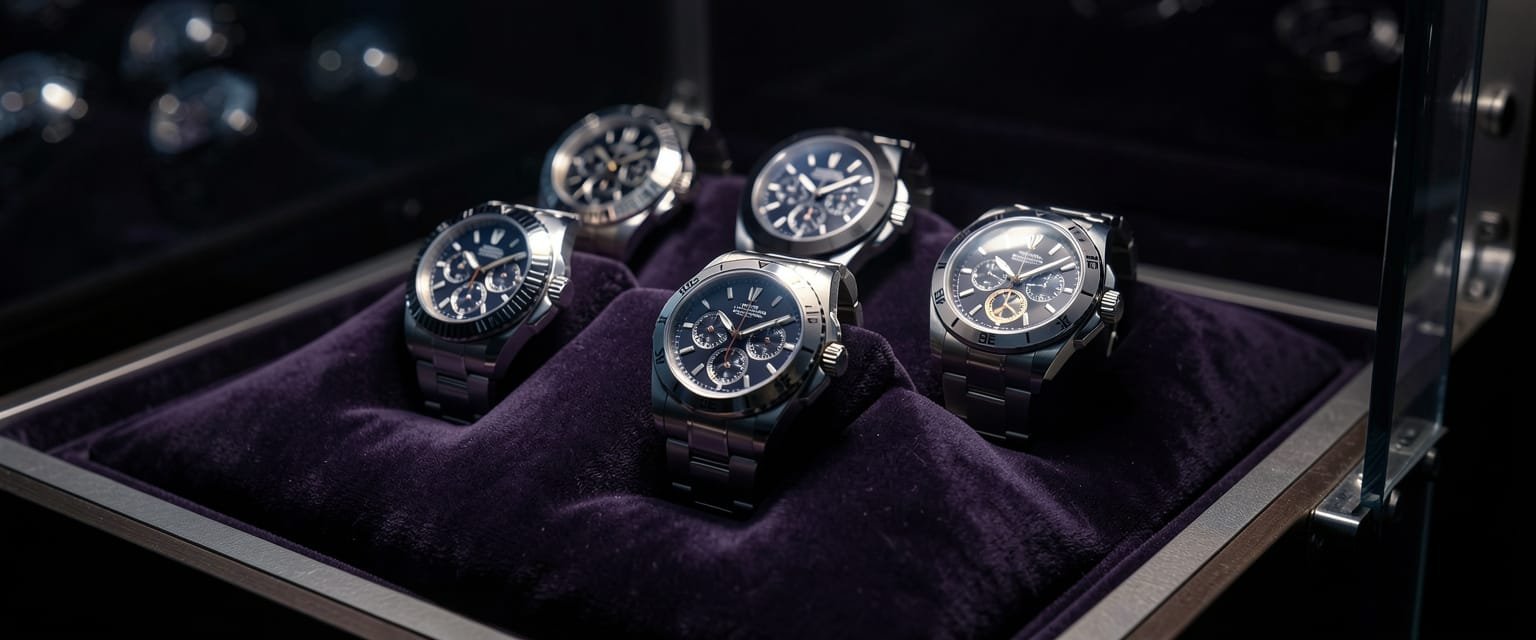

Daniel Wellington Watches combine Scandinavian minimalism with modern elegance, creating versatile timepieces designed for effortless everyday style.
Daniel Wellington is a Swedish watch brand that helped define the global minimalist-watch trend during the 2010s. Founded in 2011 by entrepreneur Filip Tysander, the company quickly gained international recognition through its clean Scandinavian design, interchangeable straps, and strong digital-first marketing strategy. The brand became famous for producing elegant watches with slim cases, uncluttered dials, and timeless aesthetics that appealed to consumers seeking simple yet sophisticated accessories. Daniel Wellington's signature NATO straps and minimalist styling helped transform the company into one of the world's most recognizable fashion-watch brands. Today, Daniel Wellington Watches are known for accessible luxury, versatile design, and contemporary Scandinavian elegance.
Daniel Wellington creates fashion-oriented watches inspired by Scandinavian simplicity, modern minimalism, and everyday versatility. The brand focuses on producing timeless designs that complement a wide range of personal styles without overwhelming the wearer.
One of Daniel Wellington’s defining characteristics is its commitment to clean design. Most collections feature slim cases, uncluttered dials, minimalist hour markers, and understated branding. This design philosophy allows the watches to pair easily with both casual and formal wardrobes.
The brand achieved global popularity through its interchangeable strap concept. Customers can quickly switch between NATO straps, leather straps, and mesh bracelets, allowing a single watch to adapt to different occasions and personal preferences. This flexibility became a major selling point and contributed significantly to the brand’s worldwide success.
Daniel Wellington primarily utilizes quartz movements that provide reliable accuracy and low-maintenance ownership. Rather than focusing on complex mechanical engineering, the company emphasizes style, comfort, affordability, and broad lifestyle appeal.
The brand also expanded into jewelry and accessories, reinforcing its position as a lifestyle company rather than a traditional watch manufacturer. Its marketing approach helped shape modern influencer-driven fashion branding and became a case study in digital commerce success.
Unlike traditional Swiss watchmakers, Daniel Wellington approaches watches as fashion accessories centered on aesthetics and versatility. Its timepieces are designed for consumers who appreciate minimalist design and effortless everyday elegance.
Positioned within the affordable fashion-watch segment, Daniel Wellington Watches appeal to buyers seeking clean Scandinavian styling, modern versatility, and accessible sophistication.
 Daniel Wellington Classic Roselyn Women’s Watch DW00100274
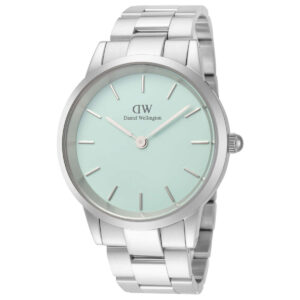 Daniel Wellington Iconic Link Unisex Watch DW00100539
 Daniel Wellington Petite Durham Women’s Watch DW00100178
 Daniel Wellington Petite York Women’s Watch DW00600182
 Daniel Wellington Iconic Link Unisex Watch DW00100460
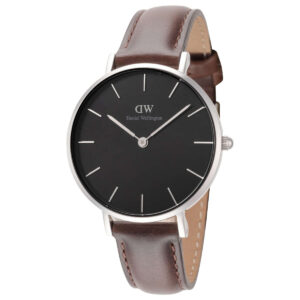 Daniel Wellington Petite Bristol Women’s DW00600177
 Daniel Wellington Petite Unitone Women’s Watch DW00100469
 Daniel Wellington Petite Cornwall Women’s Watch DW00100216
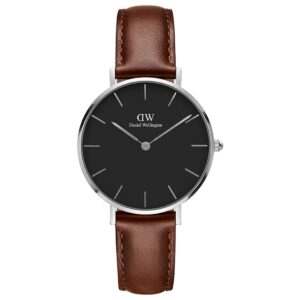 Daniel Wellington Petite St. Mawes Women’s Watch DW00100181
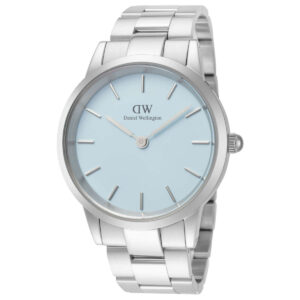 Daniel Wellington Iconic Link Women’s Watch DW00100541
Price Range: $100 – $350+
Positioning: Entry Level
Choose a country to explore trusted online stores and authorized retailers where Daniel Wellington Watches may be available.
Daniel Wellington is known for minimalist Scandinavian design, interchangeable straps, and clean contemporary styling.
Daniel Wellington is generally considered an affordable fashion-watch brand rather than a traditional luxury watch manufacturer.
The brand was founded in Sweden and is strongly influenced by Scandinavian design principles.
Most Daniel Wellington watches use quartz movements that offer reliable everyday accuracy.
The brand gained popularity through minimalist design, interchangeable straps, and highly successful social-media marketing.
Compared to Cluse, Daniel Wellington often emphasizes classic Scandinavian simplicity and its signature interchangeable NATO strap heritage.
Yes, they are designed for everyday wear and provide dependable performance within the fashion-watch category.
Consumers seeking minimalist, versatile, and affordable watches that pair easily with modern wardrobes.
Like most fashion-watch brands, they are appreciated primarily for design and style rather than investment potential.
Yes, their timeless design, broad appeal, and accessible pricing make them popular gifts for both men and women.